


.svg)

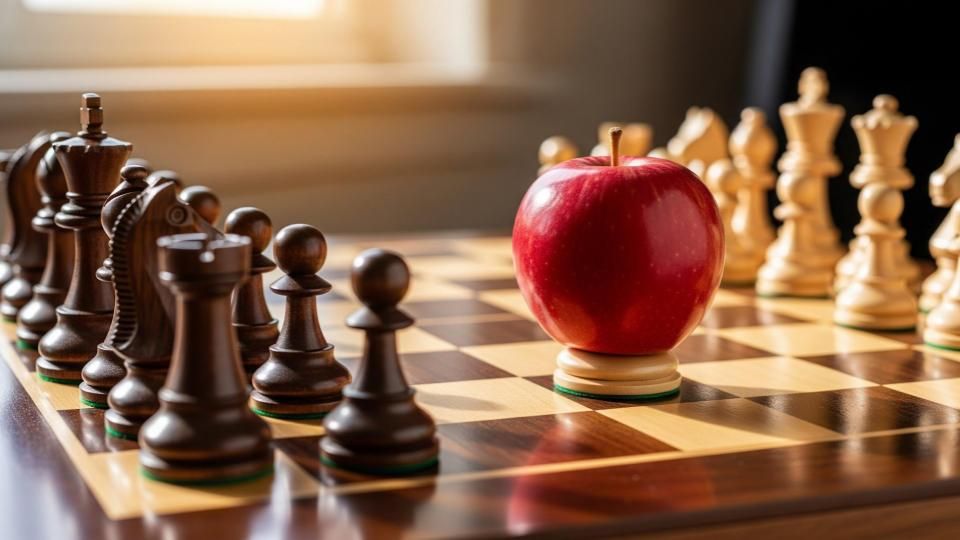
“Strategy without tactics is the slowest route to victory. Tactics without strategy are the noise before defeat.” – Sun Tzu
There is a surprising parallel between modern nutrition and this old wartime proverb. If you are working toward a health goal, the difference between strategy and tactics matters more than you might think.
Strategy is both the why and the what. It is the framework that guides your journey. Think of strategy as the map that tells you where you are going:
Strategy gives direction. Without it, you risk chasing every new diet trend and ending up nowhere. The intriguing thing is that strategy in health is usually not controversial. Most experts agree on the fundamentals: nourishing foods, appropriate energy balance, regular movement, quality sleep, and stress management. The debate typically arises regarding the tactics and the best ways to implement those fundamentals for your individual needs.
Tactics are the how. They are the meals, habits, and daily choices that bring your strategy to life. Unlike strategy, tactics are personal and highly adaptable. What works for one person may not suit another, and that is okay.
Examples of tactics include:
These are the levers you can pull and test. The strategy, like eating enough protein to support strength or maintaining a calorie deficit for weight loss, remains steady. The tactics are what you change until you find the mix that fits your lifestyle and preferences and keeps your progress steady.
When progress stalls, people often panic and throw out the entire plan. But if you can distinguish strategy from tactics, you can adjust without losing sight of the end goal.
This way, setbacks become opportunities to refine the plan rather than reasons to quit.
Sun Tzu may not have had nutrition in mind, but his words ring true. Strategy gives you the path. Tactics help you walk it. Together, they create progress that lasts.
So, define your why, set your strategy, and then choose the tactics that fit your lifestyle, preferences, and needs. The best approach is the one you can sustain and the one that evolves with you.


.svg)


