


.svg)

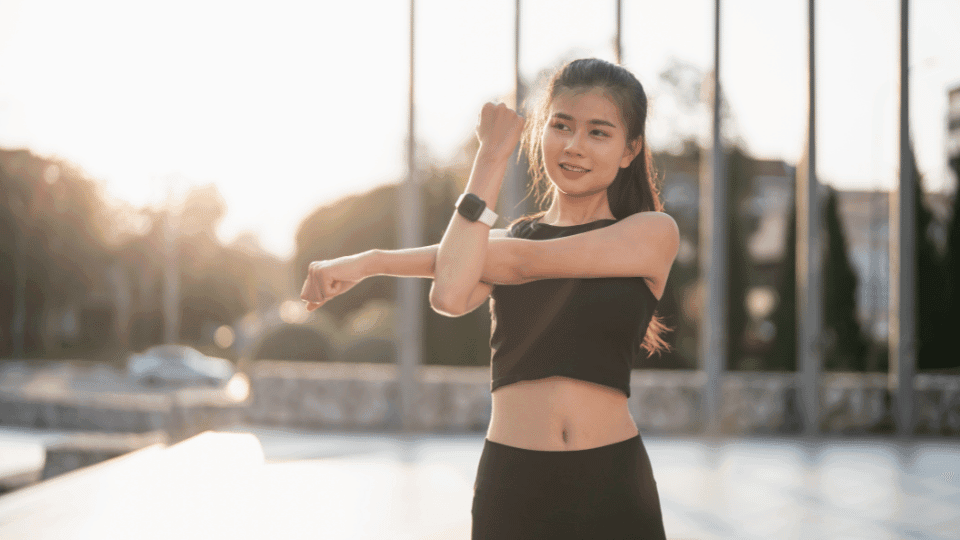
If you want to get fitter but feel stuck on where to begin, you are not alone. Fitness often feels overwhelming when it is framed as intense workouts, strict plans, or dramatic transformations. The reality is much simpler.
Getting fitter starts with doing a little more than you are doing now and doing it consistently.
You do not need the perfect plan. You need a starting point that feels manageable and motivating.
The biggest mistake people make is trying to do too much too soon. This often leads to burnout or giving up.
Instead, start by understanding your current baseline. How much do you move each day? How often do you intentionally exercise? How much time do you spend sitting?
Strove already supports this by tracking your daily step count, activity minutes, and weekly points. These numbers are not a judgement. They are simply information that shows you where you are starting from.
Before worrying about workouts or programmes, focus on moving more throughout your day.
Steps are one of the easiest and most effective places to start. Short walks, movement breaks between tasks, or choosing the stairs all add up. Aim to gently increase your daily step count over time.
Even small increases in steps can improve energy, mood, and cardiovascular health. Consistency matters more than intensity at this stage. A helpful guide is increasing your daily steps by around 1000 per week until you reach a level that feels sustainable, often between 8000 and 10000 steps per day.
Once movement feels more regular, begin adding intentional activity minutes.
This might include a short home workout, a gym session, a bike ride, a swim, or a mobility session. If you need inspiration, head to the Resources section for workouts you can follow along to.
If you have a fitness device connected to the app, your activity minutes will be tracked automatically so you can see progress without guessing.
Some weeks will be higher than others, and that is normal. The goal is to build a habit, not chase perfection.
Motivation is often the hardest part. Weekly points help by rewarding consistency rather than intensity.
They reflect showing up, moving your body, and doing what you can that week. This shifts fitness away from all-or-nothing thinking and helps you build momentum over time.
Your weekly points can earn you up to 200 coins each week to spend on rewards. When motivation is low, a small nudge or treat can help you keep moving.
Once you have some consistency, monthly challenges can give you direction without pressure.
They provide a clear focus, a defined time frame, and a sense of accountability. You do not need to aim to win or be perfect. Simply taking part helps reinforce the habit of regular movement.
Each month you can find challenges linked to steps, points, or activity minutes, so there is something to suit every starting point.
Progress is not just about weight, speed, or performance.
You are getting fitter if daily tasks feel easier, you move more without thinking about it, your mood and focus improve, your sleep feels better, or your step count and activity minutes gradually increase.
These changes often happen before physical changes, and they matter just as much.
If you are unsure where to start, focus on the basics. Increase your daily steps slightly, add a few intentional activity minutes each week, aim for steady weekly points rather than perfection, and join a monthly challenge when you feel ready.
That is enough to move the needle.
Add one extra walk to your day.
It does not need to be long or fast. A 10- to 15-minute walk counts. Do it after a meal (the best option, if you can), between meetings, or when you need a break.
Track your steps, notice how you feel, and let that small win build momentum.
Getting fitter does not require a complete lifestyle overhaul. It starts with small, repeatable actions that build confidence and momentum.
You already have the tools. Step by step, minute by minute, week by week, fitness becomes something you do rather than something you overthink.
Start where you are and keep going from there.


.svg)


